Table of Contents
ToggleFood trends vs. timeless classics, it’s a debate that plays out on dinner tables and social media feeds every single day. One moment, everyone is obsessed with a new superfood or viral recipe. The next, they’re craving grandma’s pot roast or a simple bowl of rice and beans. Both forces shape modern eating habits, and understanding how they interact helps people make smarter choices about what lands on their plates.
This article breaks down what makes a food trend tick, highlights the biggest food trends in 2025, and explores why certain traditional dishes never fade from popularity. It also offers practical advice for balancing trendy eats with classic comfort foods. Whether someone chases the latest culinary craze or sticks to tried-and-true recipes, there’s value in both approaches.
Key Takeaways
- Food trends vs. timeless classics isn’t a competition—both shape modern eating habits and offer unique value to your diet.
- Food trends in 2025 include functional adaptogens, fermented foods, hyper-local sourcing, AI-personalized nutrition, and global comfort dishes.
- Classic foods like bread, rice and beans, soups, and eggs endure because they’re affordable, nutritious, and culturally meaningful.
- Build meals around traditional staples first, then add trending ingredients that offer real nutritional benefits.
- Avoid trend fatigue by evaluating new foods for value rather than chasing every viral ingredient.
- The healthiest approach blends trendy discoveries with time-tested classics for a sustainable, satisfying diet.
What Defines a Food Trend
A food trend is any eating habit, ingredient, or dish that gains rapid popularity within a short period. These trends often emerge from social media, celebrity endorsements, or shifts in consumer values like health consciousness or environmental concerns.
Several factors fuel food trends:
- Social media influence: Platforms like TikTok and Instagram turn obscure dishes into overnight sensations. A single viral video can send millions of people searching for a specific ingredient.
- Health claims: Foods marketed as superfoods or linked to weight loss often spike in demand. Think of how quickly oat milk or acai bowls spread across café menus.
- Cultural curiosity: Global connectivity exposes people to cuisines they’ve never tried. Korean fried chicken and birria tacos became mainstream partly because the internet made discovery easy.
- Sustainability concerns: Plant-based alternatives and upcycled foods gain traction as consumers worry about climate change.
Food trends vs. lasting dietary staples differ in one key way: trends burn bright and fast, while staples simmer steadily for generations. A trend might dominate for a year or two before fading. Classic foods, on the other hand, have survived decades, sometimes centuries, of changing tastes.
Not every trend disappears, though. Some evolve into permanent fixtures. Avocado toast started as a trendy brunch item and now sits comfortably on menus worldwide. The real question isn’t whether a food trend is good or bad. It’s whether the trend adds genuine value to someone’s diet or just rides a wave of hype.
Popular Food Trends in 2025
The food trends vs. classics conversation gets especially interesting when looking at what’s hot right now. Here are the standout food trends shaping 2025:
Functional Foods and Adaptogens
Foods infused with adaptogens like ashwagandha, reishi mushrooms, and lion’s mane have exploded in popularity. Consumers want their snacks and drinks to do more than taste good, they want stress relief, better focus, or improved sleep. Functional beverages and supplement-boosted snacks fill grocery store shelves.
Fermented Everything
Fermentation isn’t new, but 2025 has taken it further. Beyond kombucha and kimchi, people now seek out fermented hot sauces, miso-based condiments, and even fermented plant-based cheeses. Gut health remains a major driver of food trends this year.
Hyper-Local Sourcing
The farm-to-table movement has matured into hyper-local sourcing. Restaurants and home cooks prioritize ingredients grown within a small radius. This trend connects sustainability values with a desire for fresher, more flavorful food.
AI-Personalized Nutrition
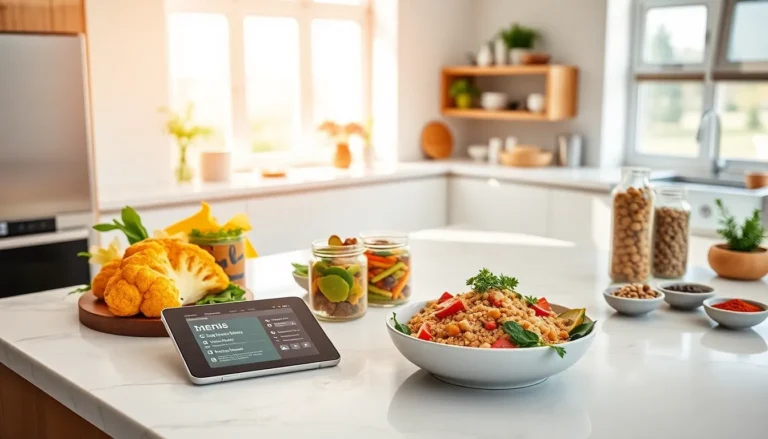
Tech-driven eating has arrived. Apps and services now analyze individual health data to recommend personalized meal plans. This food trend merges technology with nutrition science, and adoption rates keep climbing.
Global Comfort Foods
Comfort food has gone international. Dishes like Japanese curry, Venezuelan arepas, and Ethiopian injera are showing up in mainstream restaurants and meal kits. People crave warmth and familiarity, but they’re open to finding it in unfamiliar cuisines.
These food trends reflect broader cultural shifts: a focus on wellness, environmental responsibility, and global connection. Some will stick around. Others will fade by next year. That’s simply how trends work.
Traditional Foods That Stand the Test of Time
While food trends come and go, certain dishes remain constants across generations. These traditional foods have earned their place through flavor, nutrition, and deep cultural roots.
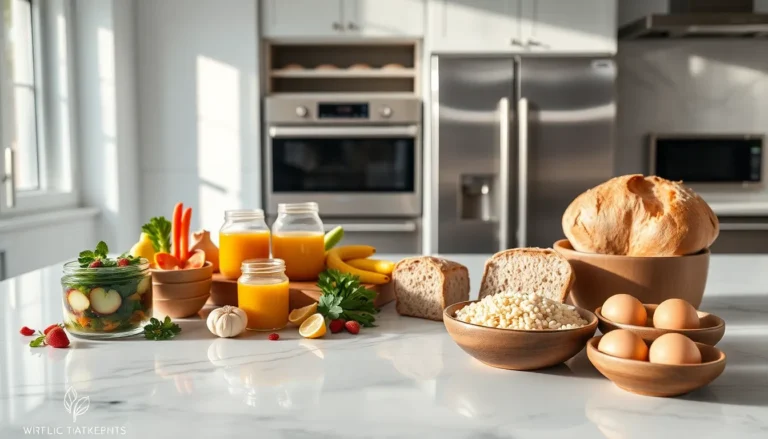
Bread has been a dietary staple for thousands of years. From French baguettes to Indian naan, nearly every culture has its own version. Bread provides affordable calories and pairs with almost anything. No trend has managed to dethrone it.
Rice and beans form the backbone of diets across Latin America, the Caribbean, Africa, and Asia. This combination delivers complete protein, fiber, and sustained energy. It’s cheap, filling, and endlessly adaptable.
Soups and stews appear in every cuisine on the planet. Chicken soup, beef stew, pho, minestrone, these dishes stretch ingredients, deliver comfort, and nourish people through illness and cold weather. They’ve done so for centuries.
Eggs remain one of the most versatile and affordable protein sources available. Scrambled, fried, poached, or baked into dishes, eggs show up at breakfast, lunch, and dinner without ever feeling outdated.
Fermented vegetables like sauerkraut, pickles, and kimchi predate modern refrigeration. They preserve harvests, add flavor, and support gut health. These foods are both traditional and trendy, a rare combination.
The food trends vs. classics dynamic reveals something important: classics survive because they solve real problems. They’re affordable, nutritious, satisfying, and culturally meaningful. Trends may introduce exciting new flavors, but classics provide the foundation most people return to.
How to Balance Trendy and Classic Eating
The food trends vs. traditional foods debate doesn’t have to be either-or. Smart eaters blend both approaches to build satisfying, sustainable diets.
Start with a classic foundation. Build meals around staples like whole grains, legumes, vegetables, and lean proteins. These foods have proven their worth over generations. They’re affordable and nutritionally solid.
Add trends selectively. When a food trend catches attention, evaluate it before jumping in. Ask: Does this ingredient offer real nutritional value? Is it affordable and accessible? Will it fit into regular cooking routines? If the answers are yes, give it a try.
Avoid trend fatigue. Chasing every new food trend leads to exhaustion and wasted money. Not every viral ingredient deserves pantry space. Focus on trends that genuinely improve meals rather than those that just generate social media likes.
Respect cultural context. Many food trends borrow from traditional cuisines around the world. When adopting these foods, learn about their origins. This adds meaning to meals and shows respect for the cultures that created them.
Listen to personal preferences. Some people love experimenting with new flavors. Others find comfort in familiar dishes. Neither approach is wrong. The best diet is one that someone will actually enjoy and maintain.
Food trends vs. timeless classics isn’t a competition. It’s a conversation. Trends introduce novelty and excitement. Classics provide stability and nourishment. The healthiest eaters draw from both wells.