Table of Contents
ToggleFood trends tips can make the difference between a kitchen that feels fresh and one that’s stuck in 2019. Whether someone runs a restaurant, blogs about recipes, or simply wants to impress guests at dinner parties, understanding where food culture is heading matters more than ever.
The culinary world moves fast. Plant-based proteins dominated five years ago. Fermented foods had their moment. Now, new ingredients and cooking styles are reshaping how people eat, cook, and think about meals. Staying informed isn’t just about being trendy, it’s about making smarter choices for health, sustainability, and flavor.
This guide breaks down the most important food trends tips for 2026 and beyond. Readers will learn which trends deserve attention, how to separate lasting movements from short-lived fads, and where to find trustworthy information about what’s next in food.
Key Takeaways
- Food trends tips help home cooks and professionals make smarter choices for health, sustainability, and flavor while avoiding marketing hype.
- Top emerging trends for 2026 include upcycled ingredients, functional mushrooms, hyper-local sourcing, advanced fermentation, and global comfort foods.
- Start with one new ingredient at a time and substitute it into familiar dishes to incorporate trends without overwhelming your budget or skills.
- Lasting food trends build supply chains, appear across multiple contexts, and connect to health research or environmental concerns rather than pure novelty.
- Cross-reference at least three reliable sources—such as industry reports, trade publications, and chef social media—to get dependable food trends tips.
- Trends that maintain interest past the two-year mark and appeal to multiple age groups typically have real staying power.
Why Keeping Up With Food Trends Matters
Following food trends tips isn’t about chasing every viral TikTok recipe. It’s about understanding shifts in consumer behavior, health research, and global food systems.
For home cooks, staying current means discovering new ingredients that add nutrition and excitement to meals. Someone who learned about nutritional yeast early, for example, had years to experiment before it became a pantry staple.
For food professionals, trend awareness is survival. Restaurants that anticipated the demand for gluten-free options thrived. Those that dismissed plant-based eating as a passing phase lost customers to competitors who adapted.
Food trends also reflect broader cultural movements. The rise of Korean cuisine in Western markets connects to K-pop’s global influence. Interest in African ingredients mirrors conversations about food justice and representation. Understanding these connections helps people make informed decisions about what they eat and serve.
Finally, food trends tips help consumers avoid being manipulated by marketing. Not every “superfood” lives up to the hype. Knowing how to evaluate claims protects both wallets and health.
Top Emerging Food Trends To Watch
Several food trends are gaining momentum heading into 2026. Here are the ones worth watching.
Upcycled Ingredients
Food waste reduction has moved from niche concern to mainstream priority. Brands now transform spent grain from breweries into flour, turn fruit pulp into snack bars, and convert vegetable scraps into seasoning powders. The Upcycled Food Association reports this market grew by 22% in 2024 alone.
Functional Mushrooms
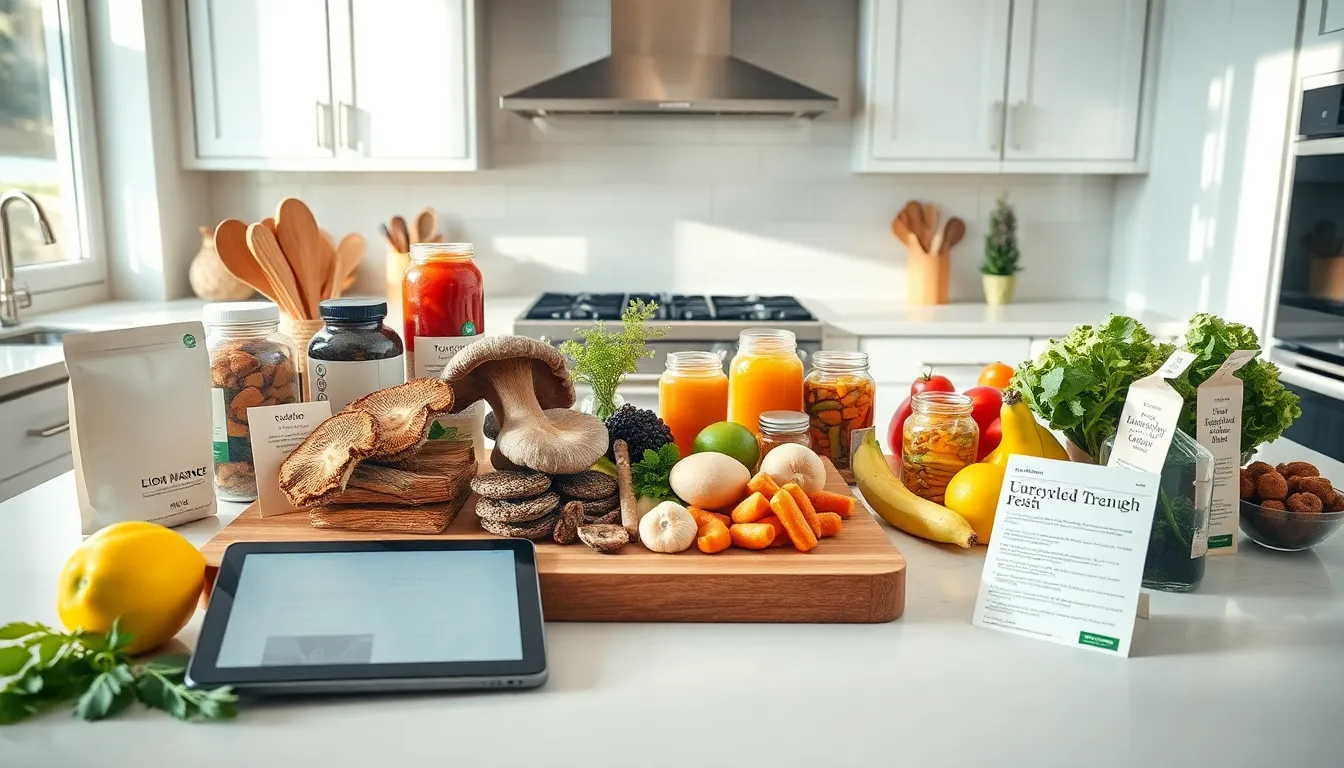
Lion’s mane, reishi, and cordyceps have moved beyond supplement capsules. They’re showing up in coffees, chocolates, and pasta sauces. Consumers want foods that support cognitive function and stress management without requiring additional pills.
Hyper-Local Sourcing
The farm-to-table movement has evolved. Now, restaurants grow herbs on rooftops, partner with urban farms within city limits, and feature ingredients from within a 50-mile radius. This shift reduces carbon footprints and creates unique regional identities.
Fermentation 2.0
Kombucha was just the beginning. Home fermentation kits for miso, tempeh, and koji are selling rapidly. Professional chefs use fermentation to create entirely new flavor profiles impossible to achieve through other methods.
Global Comfort Foods
Diners want comfort food, but not the same mashed potatoes and mac and cheese. Filipino adobo, Georgian khachapuri, and Peruvian causa are appearing on casual menus. These dishes offer emotional satisfaction with new flavor experiences.
These food trends tips point toward a common theme: people want food that tastes good, does good, and tells a story.
Practical Tips For Incorporating New Trends Into Your Kitchen
Knowing about food trends is one thing. Actually using them is another. Here’s how to bring new ideas into everyday cooking without overwhelming the grocery budget or kitchen skills.
Start with one ingredient. Don’t overhaul the entire pantry at once. Pick a single trending ingredient, say, gochujang or tahini, and use it for a month. Learn its flavor profile, best pairings, and storage requirements before moving on.
Substitute, don’t add. Instead of buying entirely new recipes, swap trendy ingredients into familiar dishes. Replace regular pasta with one made from chickpea flour. Use oat milk in that morning smoothie. These small changes build confidence.
Follow three trend sources. More than three creates information overload. Less than three limits perspective. Find a food magazine, a chef’s social media account, and a food science podcast. Cross-reference what they highlight.
Cook for adventurous friends first. Testing new food trends tips on willing taste-testers reduces pressure. Their feedback helps refine techniques before serving at bigger gatherings.
Set a monthly exploration budget. Decide how much goes toward trying new ingredients each month. Twenty dollars allows for experimentation without financial stress if something doesn’t work out.
Document successes and failures. Keep a simple note on the phone about which trending ingredients worked and which didn’t. This personal database becomes valuable over time.
These food trends tips make trend adoption sustainable rather than stressful.
How To Spot Lasting Trends Versus Passing Fads
Not every food trend deserves a place in the pantry. Some stick around for decades. Others disappear within months. Learning to distinguish between them saves money and effort.
Check the infrastructure. Lasting trends build supply chains. When major distributors stock an ingredient and multiple brands compete on price, that trend has staying power. If only one specialty company sells it, proceed with caution.
Look for multiple entry points. Genuine trends appear across different contexts. Plant-based eating shows up in fast food, fine dining, school cafeterias, and home cooking. A trend confined to Instagram influencers probably won’t last.
Consider the why. Trends connected to health research, environmental concerns, or demographic shifts tend to persist. Trends driven purely by novelty or celebrity endorsement often fade quickly.
Watch the two-year mark. Many food fads peak within 18 months and disappear. Trends that maintain interest after two years usually have real staying power. Patience pays off.
Notice who’s adopting it. When both 25-year-olds and 55-year-olds embrace a trend, it’s probably here to stay. Trends limited to a single demographic often remain niche.
These food trends tips help separate signal from noise in a cluttered food media landscape.
Where To Find Reliable Food Trend Information
Quality sources matter. Bad food trends tips lead to wasted money and missed opportunities. Here’s where to find trustworthy information.
Industry reports. Organizations like the Specialty Food Association and Innova Market Insights publish annual trend forecasts based on actual sales data and consumer surveys. These cost money but offer solid predictions.
Trade publications. Food & Wine, Bon Appétit, and Eater cover trends with professional editorial standards. They verify claims and interview experts rather than just reposting press releases.
Chef social media. Following working chefs, not just celebrity personalities, reveals what’s actually happening in professional kitchens. Look for accounts that show daily prep work and menu development.
Farmers’ markets. Walking through a local farmers’ market shows what’s growing in the region right now. Conversations with farmers reveal what they’re planting next season based on demand.
Grocery store observation. End caps and promotional displays indicate what retailers expect to sell. When a major chain dedicates shelf space to something new, they’ve done market research suggesting consumers will buy it.
Food science podcasts. Shows like “Gastropod” and “The Sporkful” examine trends through historical and scientific lenses, providing context that social media lacks.
Mixing these sources creates a complete picture. No single outlet captures everything, but together they provide dependable food trends tips for anyone serious about staying current.