Table of Contents
ToggleFood trends techniques are changing kitchens everywhere, from professional restaurants to home stovetops. The way people cook directly influences what they eat. New methods create new flavors, textures, and experiences. And these experiences shape demand.
Think about it: fermentation was once a survival technique. Now it drives entire restaurant menus. Plant-based cooking methods have turned vegetables into main courses that satisfy even devoted meat lovers. The connection between how food gets prepared and what becomes popular is stronger than ever.
This article breaks down the cooking techniques behind today’s biggest food trends. It explains why certain methods gain traction and how home cooks can apply them. Whether someone wants to understand the industry or upgrade their own kitchen skills, these insights offer a practical foundation.
Key Takeaways
- Food trends techniques share a cause-and-effect relationship—new cooking methods inspire chefs, attract diners, and gain momentum through social media.
- Fermentation has surged in popularity because it delivers probiotic health benefits, complex flavors, and an engaging DIY experience for home cooks.
- Plant-based cooking innovations like high-heat roasting and texture manipulation have elevated vegetables from side dishes to satisfying main courses.
- Start small when adopting trending techniques at home—master simple methods like sauerkraut fermentation or high-heat roasting before advancing to complex projects.
- Affordable tools like instant-read thermometers and immersion blenders can significantly improve your results with popular food trends techniques.
- Document your cooking experiments with photos and notes to turn successful trials into repeatable recipes.
Understanding the Connection Between Trends and Techniques
Food trends techniques share a cause-and-effect relationship. A new cooking method emerges. Chefs experiment with it. Diners respond. Social media amplifies the results. And suddenly, a technique becomes a trend.
Consider sous vide cooking. Restaurants adopted this precision method decades ago. Home cooks discovered it around 2015. The technique, sealing food in bags and cooking it in temperature-controlled water, delivers consistent results. That consistency made it popular. The trend followed the technique.
The reverse also happens. Consumer demand pushes chefs to develop new methods. When diners wanted healthier fried foods, air frying emerged as a solution. The trend (health-conscious eating) drove the technique (rapid air circulation cooking).
Food trends techniques also reflect cultural shifts. Sustainability concerns have revived old preservation methods like pickling and curing. Food waste reduction has made “root-to-stem” cooking a movement. Economic pressures have renewed interest in slow cooking and batch preparation.
Understanding this connection helps predict what comes next. When a technique solves a problem, whether that’s time, health, cost, or taste, it has trend potential. The most successful food trends techniques address multiple concerns at once.
Popular Cooking Techniques Driving Current Food Trends
Several food trends techniques dominate today’s culinary landscape. These methods have moved from niche applications to mainstream adoption. They appear in restaurant kitchens, grocery stores, and home cooking routines alike.
Fermentation and Preservation Methods
Fermentation has experienced a significant revival. This ancient technique uses microorganisms to transform food. The process creates unique flavors, extends shelf life, and adds nutritional benefits.
Kombucha kicked off the modern fermentation wave. Kimchi and sauerkraut followed. Now fermented hot sauces, miso pastes, and even fermented coffee beans appear on store shelves. Restaurant menus feature house-fermented vegetables as signature items.
The food trends techniques around fermentation work because they deliver on multiple fronts. Fermented foods offer probiotic benefits that appeal to health-conscious consumers. The complex flavors satisfy adventurous eaters. The DIY aspect attracts home cooks looking for projects.
Preservation methods beyond fermentation have also gained traction. Dehydrating creates intense flavors and reduces food waste. Smoking adds depth to vegetables and proteins. Curing transforms simple ingredients into specialty products.
Plant-Based Cooking Innovations
Plant-based food trends techniques have transformed vegetable cooking. The goal has shifted from substitution to celebration. Chefs now treat vegetables as main attractions rather than side dishes.
High-heat roasting creates caramelization that rivals grilled meat. Whole-roasted cauliflower, charred cabbage steaks, and blistered carrots now headline restaurant menus. These techniques extract maximum flavor from simple ingredients.
Blending and processing techniques have created convincing meat alternatives. Mushroom-based “bacon” uses specific cooking methods to replicate texture. Jackfruit becomes “pulled pork” through slow cooking and shredding. These food trends techniques satisfy taste expectations while meeting dietary preferences.
Smashing and pressing vegetables creates new textures. Smashed cucumbers release more flavor than sliced ones. Pressed tofu develops a firmer, more satisfying bite. These simple techniques have changed how people experience plant foods.
How to Incorporate Trending Techniques at Home
Adopting food trends techniques at home requires the right approach. Start small. Master one method before adding another. Build skills progressively.
Fermentation offers an accessible entry point. Sauerkraut needs only cabbage, salt, and time. The technique teaches patience and observation. Success builds confidence for more advanced projects like kimchi or kombucha.
High-heat vegetable roasting translates easily to home kitchens. Preheat the oven to 425°F or higher. Cut vegetables into similar-sized pieces. Use enough oil to coat but not drench. Don’t overcrowd the pan. These simple steps produce restaurant-quality results.
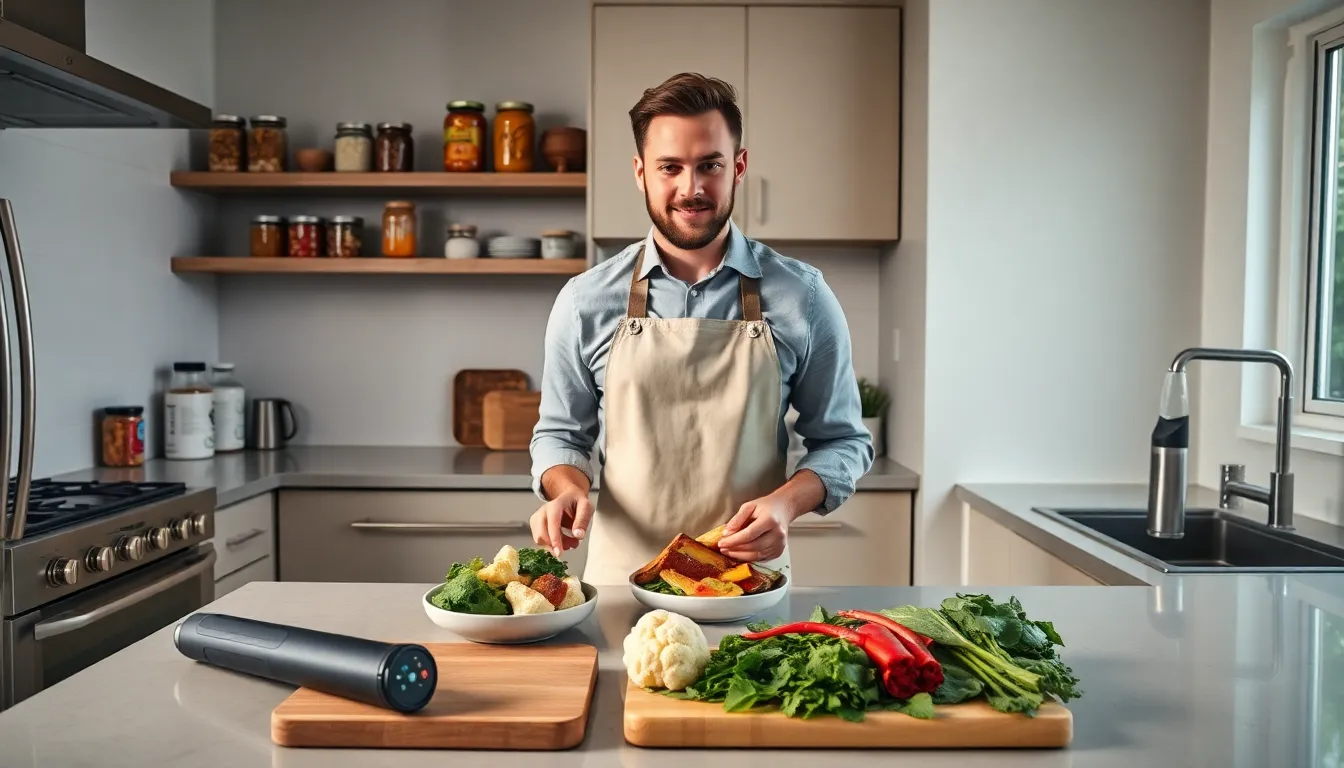
Equipment investments should match commitment levels. A quality instant-read thermometer costs under $20 and improves almost every cooking technique. An immersion blender opens doors to sauces, soups, and plant-based preparations. More specialized tools like fermentation crocks or sous vide circulators make sense after someone confirms their interest.
Food trends techniques benefit from community. Online forums, local classes, and cooking groups provide support. They offer troubleshooting help when ferments go wrong or roasted vegetables come out limp. Learning alongside others accelerates progress.
Documentation helps too. Taking photos of dishes tracks improvement over time. Notes about timing, temperatures, and ingredient ratios create personal references. These records turn experiments into repeatable successes.
The best approach combines curiosity with consistency. Try new food trends techniques regularly. Practice favorites often. Accept that some experiments fail. The failures teach as much as the successes.