Table of Contents
ToggleFood trends for beginners can feel overwhelming at first glance. New ingredients pop up on social media. Restaurants debut unfamiliar dishes. Grocery stores stock products that didn’t exist a year ago. But here’s the good news: keeping up with food trends doesn’t require a culinary degree or a big budget.
This guide breaks down the most popular food trends in 2025 and shows how anyone can try them at home. Whether someone wants to eat more sustainably, experiment with global flavors, or simply cook something new for dinner, understanding food trends opens doors to better meals and smarter choices.
Key Takeaways
- Food trends for beginners don’t require culinary expertise or a big budget—start by adding one new ingredient per shopping trip.
- Plant-based eating, fermented foods, and root-to-stem cooking are among the most popular food trends in 2025.
- Global flavors like West African cuisine, Filipino ingredients, and Korean-Mexican fusion offer easy ways to experiment at home.
- Shop at ethnic grocery stores for specialty ingredients at lower prices than mainstream supermarkets.
- Incorporate food trends into daily meals by adding trendy elements to familiar dishes, like kimchi in scrambled eggs or harissa on roasted vegetables.
- Designate a weekly “trend testing” night to experiment with new foods without pressure or disrupting your regular routine.
What Are Food Trends and Why Do They Matter
Food trends are shifts in how people eat, cook, and think about their meals. They reflect cultural changes, health discoveries, environmental concerns, and even economic conditions. Some food trends last for decades. Others fade within months.
For beginners, food trends matter for several practical reasons:
- Better grocery shopping: Knowing what’s trending helps shoppers spot quality ingredients and avoid overpriced gimmicks.
- Healthier choices: Many current food trends focus on nutrition, sustainability, and whole foods.
- Social connection: Sharing a trendy dish or recipe creates conversation and connection with friends and family.
- Cost savings: Early adopters often pay premium prices. Understanding food trends helps people wait for the right time to try something new.
Food trends also shape what restaurants serve, what supermarkets stock, and what recipes go viral online. Paying attention to them gives people more control over their food choices.
The key is finding food trends that fit individual lifestyles. Not every trend works for every person. A busy parent might skip elaborate cooking techniques but embrace meal prep shortcuts. A college student might focus on budget-friendly food trends. The goal isn’t to follow every trend, it’s to pick the ones that make eating more enjoyable and sustainable.
Top Food Trends to Try Right Now
Several food trends have gained serious momentum in 2025. These aren’t passing fads, they represent real shifts in how people approach cooking and eating.
Plant-Based and Sustainable Eating
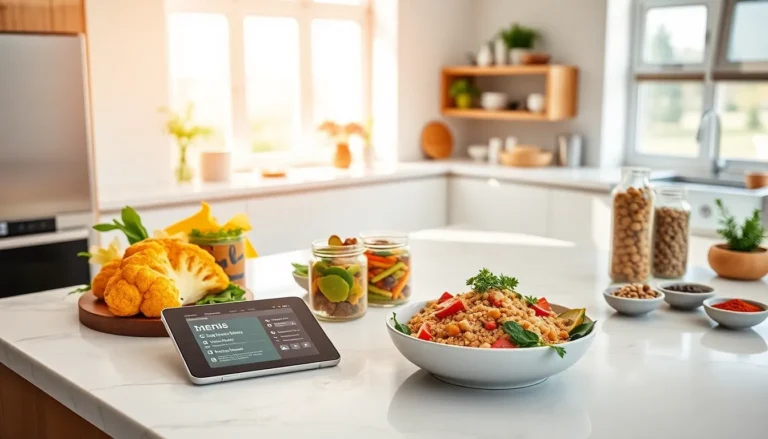
Plant-based eating continues to grow as one of the biggest food trends of the decade. This doesn’t mean everyone is going vegan. Instead, more people are reducing meat consumption and adding more vegetables, legumes, and grains to their plates.
Popular plant-based food trends in 2025 include:
- Mushroom-based proteins: Brands now offer mushroom bacon, mushroom jerky, and mushroom-based meat alternatives that taste remarkably close to the real thing.
- Fermented foods: Kimchi, sauerkraut, miso, and tempeh provide gut-health benefits and add bold flavors to simple dishes.
- Root-to-stem cooking: Chefs and home cooks use vegetable parts they once threw away, carrot tops become pesto, broccoli stems turn into slaw.
Sustainable eating also means paying attention to food packaging and waste. More consumers choose products with minimal plastic, buy imperfect produce at discounts, and compost kitchen scraps.
Global Flavors and Fusion Cuisine
Another major category of food trends involves global cuisines and fusion dishes. Social media has exposed people to foods they might never have encountered otherwise.
Some standout global food trends for 2025:
- West African cuisine: Jollof rice, suya spice blends, and fufu have moved from niche restaurants to mainstream grocery stores.
- Filipino flavors: Ube (purple yam), calamansi, and adobo seasonings appear in everything from ice cream to marinades.
- Korean-Mexican fusion: This combination, think bulgogi tacos and gochujang-lime crema, continues to inspire creative home cooks.
These food trends encourage experimentation. Beginners can start small by adding a new spice blend to familiar recipes or trying one unfamiliar ingredient per week.
How to Explore New Food Trends on a Budget
Trying food trends doesn’t require spending a fortune. Smart shopping and strategic choices make experimentation affordable.
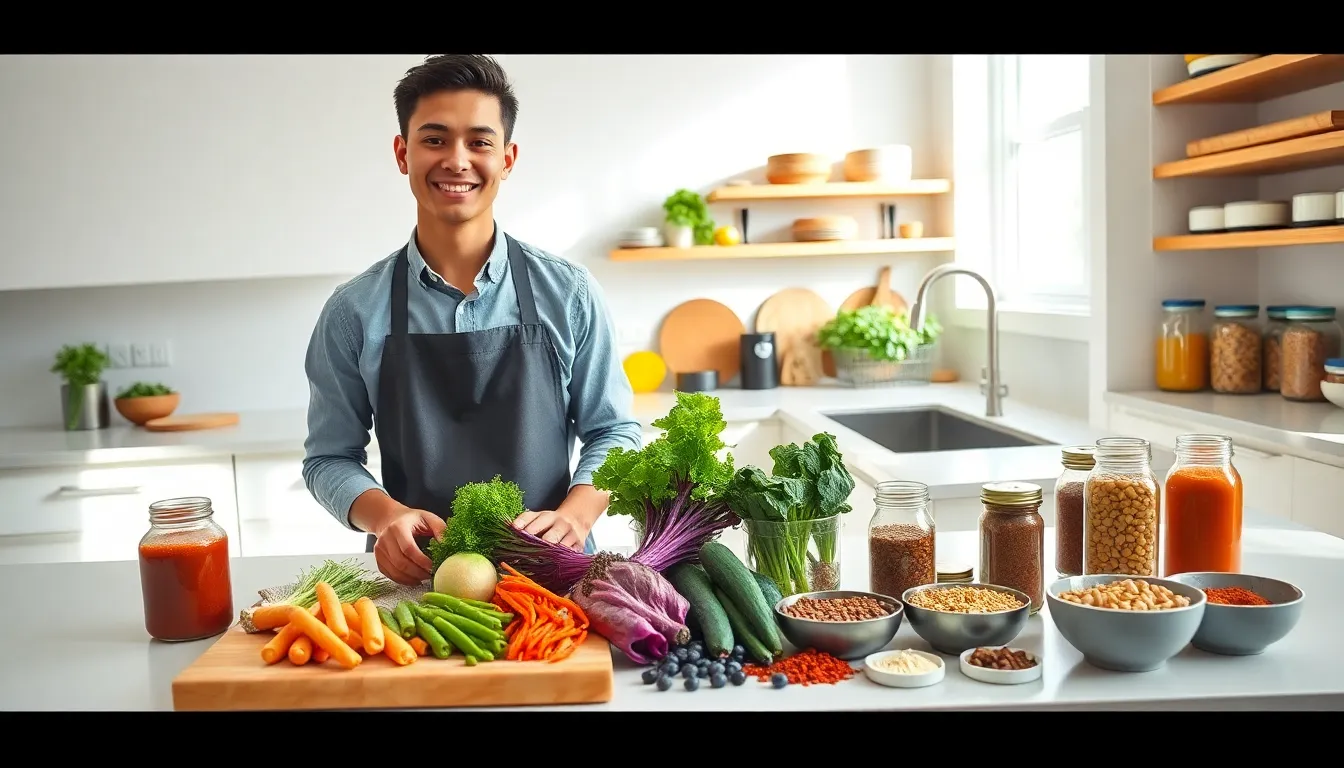
Start with one ingredient at a time. Instead of buying an entire pantry of new items, pick one trending ingredient each shopping trip. A jar of gochujang paste or a bag of dried chickpeas lasts for multiple meals.
Shop at ethnic grocery stores. These stores often sell specialty ingredients at lower prices than mainstream supermarkets. A bottle of fish sauce or a package of rice noodles costs a fraction of what chain stores charge.
Use what’s on sale. Food trends often align with seasonal produce. Farmers markets and grocery sales provide opportunities to try trendy vegetables without overspending.
Learn basic techniques first. Many food trends rely on simple cooking methods. Fermentation, pickling, and basic stir-frying open doors to dozens of trendy dishes without expensive equipment.
Follow budget-focused food creators. Social media platforms feature creators who specifically adapt food trends for tight budgets. They offer substitutions and shortcuts that maintain flavor while cutting costs.
The best approach to food trends on a budget involves patience. Waiting a few months after a trend peaks often means lower prices and more widely available ingredients.
Tips for Incorporating Trends Into Your Everyday Meals
Making food trends part of daily life requires small, consistent changes rather than complete kitchen overhauls.
Add one trendy element to familiar dishes. Toss some kimchi into scrambled eggs. Sprinkle everything bagel seasoning on avocado toast. Swap regular rice for cauliflower rice in a stir-fry. These minor adjustments introduce new flavors without requiring new recipes.
Batch cook trendy staples. Spend an hour on the weekend preparing a batch of pickled vegetables, a jar of homemade chili crisp, or a pot of beans. These become quick additions to weeknight meals throughout the week.
Keep a “trend testing” night. Designate one evening per week, maybe a slower night like Wednesday, for trying something new. This creates a low-pressure opportunity to experiment without disrupting the entire meal routine.
Stock versatile ingredients. Some trendy items work across multiple cuisines and dishes. Tahini, coconut aminos, and harissa paste each transform dozens of different meals.
Don’t force it. Not every food trend suits every palate. If a trending ingredient or technique doesn’t work after a few tries, move on. The point of following food trends is enjoyment, not obligation.
Food trends work best when they enhance existing habits rather than replace them entirely. Small additions create lasting changes.