Table of Contents
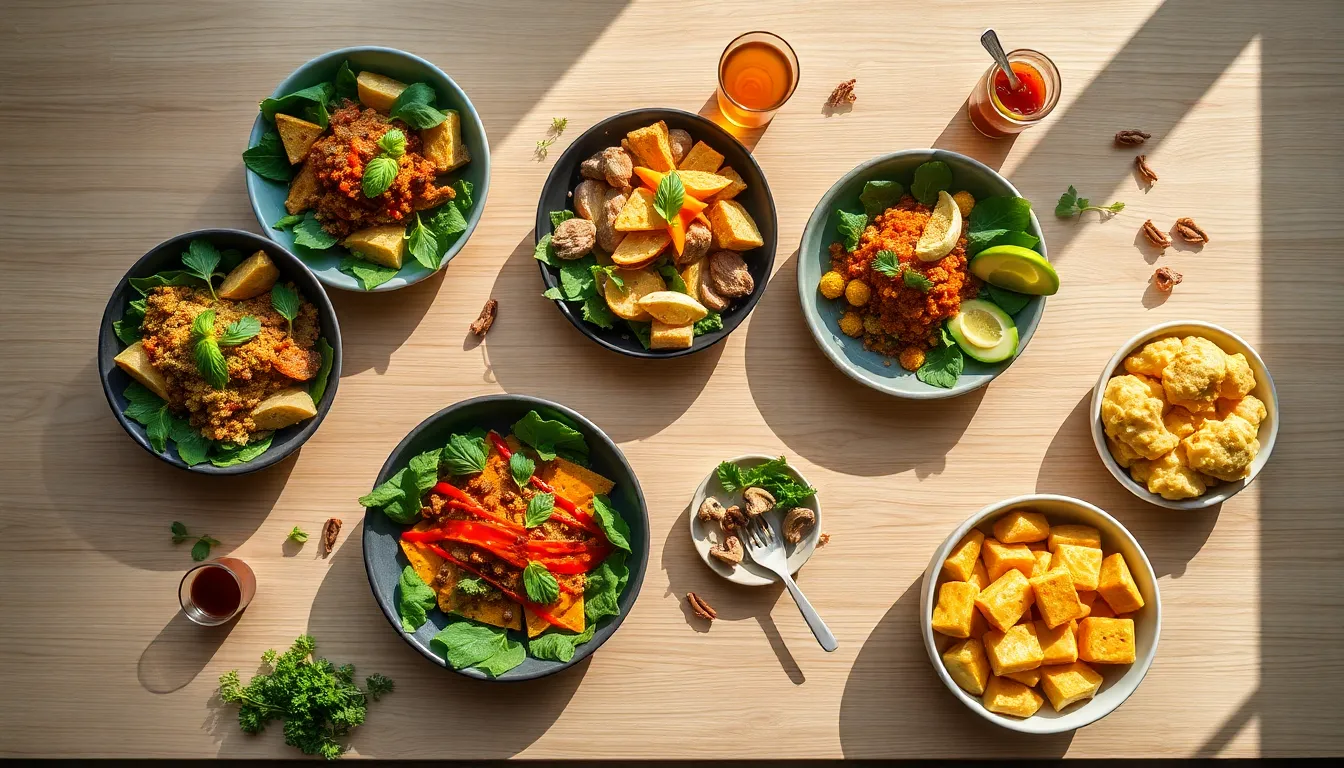
ToggleFood trends examples in 2025 reveal a fascinating shift in how people approach meals. Consumers want flavor, health benefits, and environmental responsibility, all on the same plate. This year’s biggest food trends reflect those priorities in practical ways.
From plant-based proteins hitting mainstream menus to global fusion dishes popping up at local restaurants, the culinary landscape keeps evolving. Some trends feel brand new. Others bring back familiar favorites with fresh updates. Either way, they shape grocery lists, restaurant menus, and home cooking habits across the country.
This article breaks down the most influential food trends examples shaping 2025. Each section highlights what’s driving consumer choices and why these trends matter for anyone paying attention to what’s on their fork.
Key Takeaways
- Food trends examples in 2025 prioritize flavor, health benefits, and environmental responsibility in equal measure.
- Plant-based proteins have evolved beyond veggie burgers to include lab-grown meat and air-derived protein powders, with global sales reaching $29.4 billion.
- Global flavors like West African, Filipino, and Korean cuisines are going mainstream, with fusion cooking creating exciting new dishes.
- Functional foods offering gut health, cognitive support, and protein fortification are reshaping how consumers approach daily nutrition.
- Sustainability drives major food choices through upcycled ingredients, local sourcing, and carbon labeling on products.
- Nostalgic comfort foods are making a comeback with premium upgrades that appeal to consumers seeking familiar flavors with better ingredients.
Plant-Based and Alternative Proteins
Plant-based proteins have moved far beyond the basic veggie burger. In 2025, food trends examples in this category include lab-grown meat, fermented proteins, and protein sources made from air (yes, really). Companies like Solein produce protein using CO2 and electricity, creating a powder that can be added to nearly any food.
Consumer demand drives this growth. A 2024 report from the Good Food Institute showed global plant-based food sales reached $29.4 billion, with steady year-over-year increases. People cite health concerns, environmental impact, and animal welfare as top reasons for trying alternatives.
Restaurants respond by expanding their options. Fast-casual chains now offer mushroom-based “chicken” tenders and pea protein sausages alongside traditional menu items. Grocery stores dedicate entire aisles to plant-based alternatives, not just for vegetarians, but for flexitarians who want variety.
The taste keeps improving too. Early plant-based products often disappointed consumers with odd textures or off-flavors. Today’s versions mimic the real thing more convincingly. Some blind taste tests show participants can’t tell the difference between plant-based and conventional ground beef.
These food trends examples show protein innovation isn’t slowing down. Expect more creative applications as technology advances and prices drop.
Global Flavors and Fusion Cuisines
Global flavors dominate food trends examples this year. American palates have grown more adventurous, and 2025 sees specific regional cuisines gaining serious traction.
West African dishes lead the charge. Ingredients like suya spice, scotch bonnet peppers, and jollof rice appear on trendy menus nationwide. Filipino cuisine also gains momentum, with dishes like sisig and ube desserts becoming household names. Korean flavors continue their strong run, gochujang shows up in everything from wings to cocktails.
Fusion cooking takes these influences further. Chefs blend traditions to create something new: Korean-Mexican tacos, Indian pizza, Japanese-Italian pasta. The results often highlight the best of both cuisines while creating memorable dishes that feel fresh.
Social media accelerates these food trends examples. TikTok recipes featuring global ingredients rack up millions of views. Home cooks experiment with unfamiliar spices and techniques, then share their results. This exposure makes once-exotic ingredients feel accessible.
Grocery stores stock accordingly. Specialty items that required trips to ethnic markets five years ago now sit on mainstream supermarket shelves. Harissa paste, miso, and tamarind concentrate have become pantry staples for adventurous home cooks.
These food trends examples reflect a broader cultural curiosity. People want authentic experiences and bold flavors, and they’re willing to seek them out.
Functional Foods and Wellness-Focused Eating
Functional foods represent some of the most practical food trends examples in 2025. These foods offer benefits beyond basic nutrition, think gut health, brain function, or energy support.
Probiotics and prebiotics lead this category. Fermented foods like kimchi, kefir, and kombucha maintain their popularity. New products incorporate these beneficial bacteria into unexpected items: probiotic granola bars, prebiotic pasta, even gut-friendly ice cream.
Adaptogens also gain ground. Mushrooms like lion’s mane and reishi appear in coffee blends, chocolate bars, and supplement gummies. Consumers seek stress relief and cognitive support from their food choices. Brands market these products with specific claims about focus, calm, or immunity.
Protein fortification shows up everywhere. Cereals, snacks, and beverages add extra protein to appeal to fitness-minded consumers. High-protein pasta and protein-packed yogurts make hitting daily intake goals easier.
These food trends examples respond to consumer research habits. People Google ingredients before buying. They read labels carefully. They want foods that work harder for their health.
The functional food market reflects this demand. Industry analysts project it will exceed $275 billion globally by 2027. That growth shows no signs of slowing as consumers prioritize wellness in their daily eating habits.
Sustainable and Eco-Conscious Choices
Sustainability shapes major food trends examples this year. Consumers increasingly consider environmental impact when making food choices.
Upcycled foods gain visibility. These products use ingredients that would otherwise go to waste, fruit pulp from juice production, spent grain from breweries, or “ugly” produce that fails cosmetic standards. Brands like ReGrained and Barnana turn these materials into chips, bars, and other snacks.
Local sourcing matters more to shoppers. Farmers markets see increased traffic. Restaurants highlight regional suppliers on their menus. “Farm to table” has evolved from trendy buzzword to expected standard for many diners.
Packaging innovations address plastic concerns. Compostable wrappers, refillable containers, and package-free shopping options expand. Some grocery stores now offer bulk sections where customers bring their own containers for everything from olive oil to peanut butter.
Carbon labeling emerges as a new food trends example. Some brands now display carbon footprint information alongside nutritional facts. This transparency helps environmentally conscious consumers make informed decisions.
Plant-forward eating connects sustainability and food trends examples directly. Reducing meat consumption ranks among the most effective individual actions for lowering environmental impact. Many consumers adopt “flexitarian” approaches, eating mostly plants with occasional meat, rather than going fully vegetarian.
These choices add up. Consumer demand pushes companies toward more sustainable practices across production, packaging, and distribution.
Nostalgic Comfort Foods With a Modern Twist
Comfort food never goes out of style, but 2025’s food trends examples put fresh spins on familiar favorites.
Classic American dishes get upgraded ingredients. Mac and cheese features high-end cheeses like gruyère and aged cheddar. Meatloaf incorporates grass-fed beef and homemade glazes. Chicken pot pie arrives with flaky, butter-rich crusts and farm-fresh vegetables.
Childhood snacks return for adults. Brands release “grown-up” versions of nostalgic treats, fancy Twinkies, artisan Pop-Tarts, gourmet versions of boxed cake mix. These products appeal to millennials and Gen X consumers seeking familiar flavors with better ingredients.
Retro recipes resurface on social media. Dishes like beef stroganoff, tuna casserole, and Jell-O molds make ironic comebacks. Some cooks embrace the kitsch. Others modernize these recipes with contemporary techniques and quality ingredients.
Diner culture enjoys renewed appreciation. Classic breakfast spots and old-school burger joints attract younger crowds who crave authenticity. The aesthetic appeals too, vinyl booths, neon signs, and chrome counters photograph well for Instagram.
These food trends examples tap into emotional connections. Comfort food provides psychological benefits during uncertain times. Familiar flavors trigger positive memories and feelings of security.
Restaurants capitalize on this desire. Menus feature “comfort” sections with dishes designed to satisfy both appetite and nostalgia. The approach works, customers pay premium prices for elevated versions of foods they remember from childhood.