Table of Contents
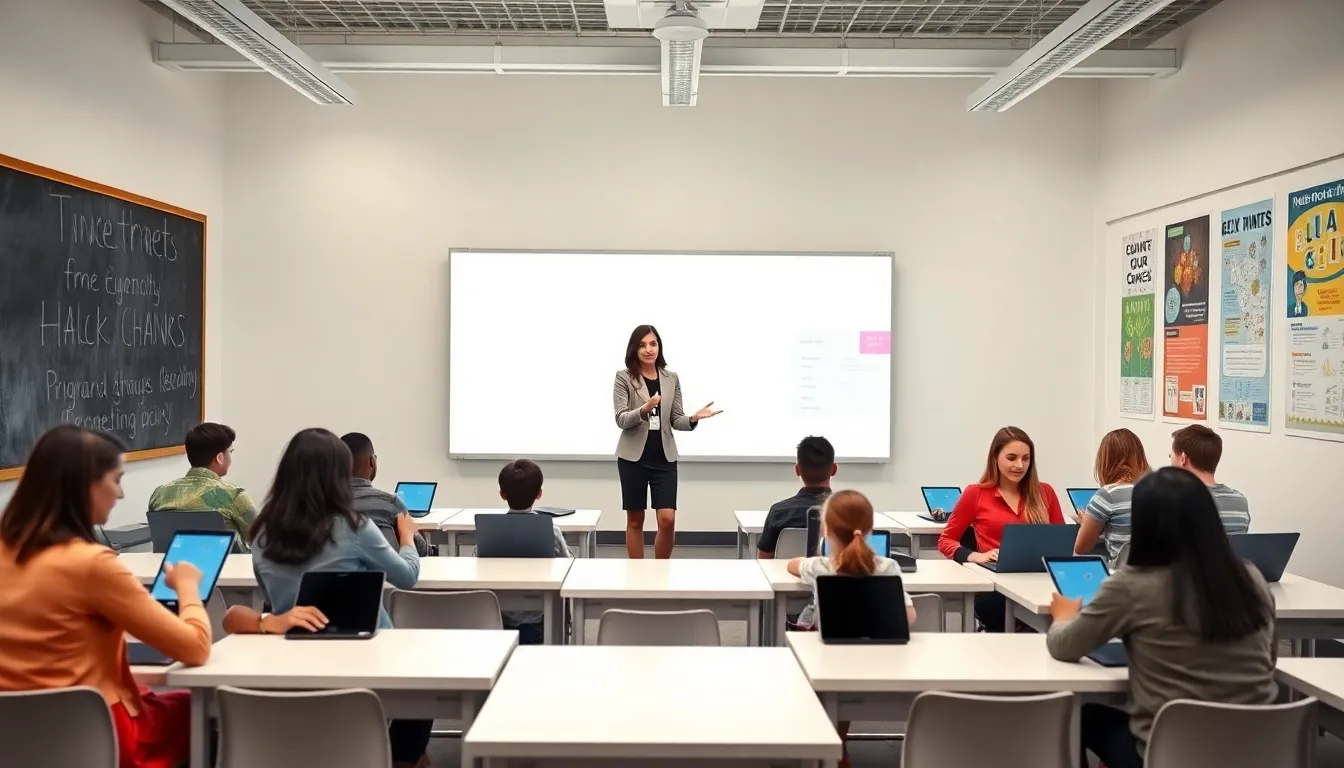
ToggleEducation today vs the past reveals a dramatic shift in how students learn, teachers teach, and knowledge spreads. A student in 1950 sat in rows, copied notes from a chalkboard, and memorized facts from a single textbook. A student in 2025 accesses thousands of resources on a tablet, collaborates with peers across continents, and learns at their own pace through adaptive software.
This transformation didn’t happen overnight. Decades of technological advancement, changing social values, and new research on how the brain processes information have reshaped classrooms around the world. Understanding education today vs previous generations helps parents, educators, and policymakers make smarter decisions about the future of learning. The contrast between old and new methods shows what works, what doesn’t, and where education still needs improvement.
Key Takeaways
- Education today vs the past shows a major shift from memorization-based learning to critical thinking, problem-solving, and creativity.
- Technology has transformed classrooms with tablets, adaptive learning software, and online courses that provide access to global resources.
- Traditional teaching relied on one-pace lectures, while modern methods use mixed approaches including discussions, hands-on activities, and flipped classrooms.
- Accessibility has improved dramatically, with legal protections, individualized education plans, and assistive technology supporting students with disabilities.
- Education today vs previous generations offers greater inclusion for English language learners, remote students, and underrepresented groups in higher education.
- New challenges like screen time concerns, digital distractions, and the digital divide require schools to teach digital literacy alongside core subjects.
Traditional Classroom Learning Methods
Traditional classroom learning methods dominated education for centuries. Teachers stood at the front of the room and delivered lectures. Students listened, took notes, and repeated information back on tests. This model treated education as a one-way transfer of knowledge from expert to learner.
Classrooms followed strict hierarchies. The teacher held authority, and students rarely questioned lessons or offered alternative viewpoints. Memorization formed the core of most academic work. Students recited dates, formulas, and vocabulary lists. Success meant retaining facts long enough to pass examinations.
Physical resources shaped what students could learn. Schools relied on textbooks, encyclopedias, and library collections. If a school lacked funding for updated materials, students worked with outdated information. Rural schools often had fewer resources than urban institutions, creating gaps in educational quality.
Education today vs traditional methods shows a clear contrast in student engagement. Older approaches emphasized discipline and compliance over curiosity. Students who learned differently, those with dyslexia, ADHD, or other learning differences, often struggled without support. The system rewarded conformity.
Group instruction meant teachers moved at one pace for all students. Fast learners grew bored while slower learners fell behind. Individualized attention was rare in crowded classrooms. This approach worked for some students but failed many others.
The Rise of Technology in Modern Education
Technology has reshaped education today vs any previous era in history. Computers entered classrooms in the 1980s and 1990s, but the real transformation came with widespread internet access and mobile devices in the 2000s and 2010s.
Digital tools now support nearly every aspect of learning. Students use laptops and tablets to access course materials, submit assignments, and communicate with teachers. Learning management systems organize classes, track grades, and store resources in one location. Video conferencing enables remote learning and connects students with experts worldwide.
Online education has expanded dramatically. Universities offer full degree programs online. Platforms like Coursera, Khan Academy, and edX provide free or low-cost courses on thousands of topics. A student in a small town can now access the same lectures as a student at a major university.
Artificial intelligence adds new capabilities to modern education. Adaptive learning software adjusts difficulty based on student performance. AI tutors answer questions and provide instant feedback. Language learning apps use speech recognition to improve pronunciation.
Education today vs past decades also differs in how students research and consume information. Google searches have replaced library card catalogs. Wikipedia offers quick overviews that lead to deeper sources. Digital archives make historical documents accessible to anyone with an internet connection.
But, technology creates new challenges. Screen time concerns parents and educators. Digital distractions compete for student attention. Not every family can afford devices and reliable internet, creating a digital divide. Schools must teach digital literacy alongside traditional subjects.
Curriculum and Teaching Approaches Then and Now
Curriculum content has shifted significantly when comparing education today vs earlier generations. Traditional curricula focused heavily on reading, writing, arithmetic, and rote knowledge of history and science. Students memorized facts and followed standardized lesson plans with little variation.
Modern curricula emphasize critical thinking, problem-solving, and creativity. Educators now recognize that students need skills to analyze information, not just recall it. Project-based learning asks students to apply knowledge to real situations. Collaborative assignments teach teamwork and communication.
Teaching approaches have evolved alongside curriculum changes. The lecture-only model has given way to mixed methods. Teachers use discussions, hands-on activities, multimedia presentations, and peer instruction. Flipped classrooms assign video lectures as assignments, reserving class time for practice and questions.
Assessment methods have also changed. Standardized tests still exist, but many schools now use portfolios, presentations, and performance-based evaluations. These approaches measure what students can do, not just what they remember.
Education today vs the past shows different attitudes toward student voice. Modern classrooms encourage questions and discussion. Teachers act as guides rather than sole authorities. Students often have choices in projects and assignments, increasing motivation and ownership of learning.
Social-emotional learning has entered many curricula. Schools teach skills like self-regulation, empathy, and conflict resolution. Mental health awareness has grown, and many institutions provide counseling services that didn’t exist in earlier decades.
STEM education, science, technology, engineering, and mathematics, receives more attention now. Coding classes start in elementary school. Robotics clubs and maker spaces let students build and experiment. These programs prepare students for careers that didn’t exist when their parents attended school.
Accessibility and Learning Opportunities
Accessibility marks one of the biggest differences in education today vs previous generations. Legal frameworks like the Individuals with Disabilities Education Act (IDEA) in the United States guarantee services for students with disabilities. Schools must provide accommodations, from extended test time to assistive technology.
Special education programs have expanded and improved. Students who once would have been excluded from mainstream classrooms now receive individualized education plans (IEPs) designed for their specific needs. Speech therapy, occupational therapy, and behavioral support help students succeed.
Education today vs decades ago also shows greater inclusion for English language learners. Bilingual programs and ESL instruction support students whose first language isn’t English. Translation tools and multilingual resources make content accessible to more families.
Geographic barriers have shrunk. Online courses reach students in remote areas. Virtual schools serve students who can’t attend traditional institutions due to health issues, travel, or family circumstances. A student on a ranch in Montana can take AP courses not offered at their local school.
Higher education access has grown, though challenges remain. More students attend college than ever before. Community colleges provide affordable pathways to degrees and career training. But, tuition costs have risen faster than inflation, creating debt burdens for many graduates.
Adult education opportunities have expanded. Workers can earn degrees while employed through evening and online programs. Professional certifications help people change careers. Lifelong learning has become both possible and necessary in a changing economy.
Education today vs the past reflects broader social changes. More women pursue higher education and enter fields once closed to them. First-generation college students have more support systems. Scholarship programs target underrepresented groups.