Table of Contents
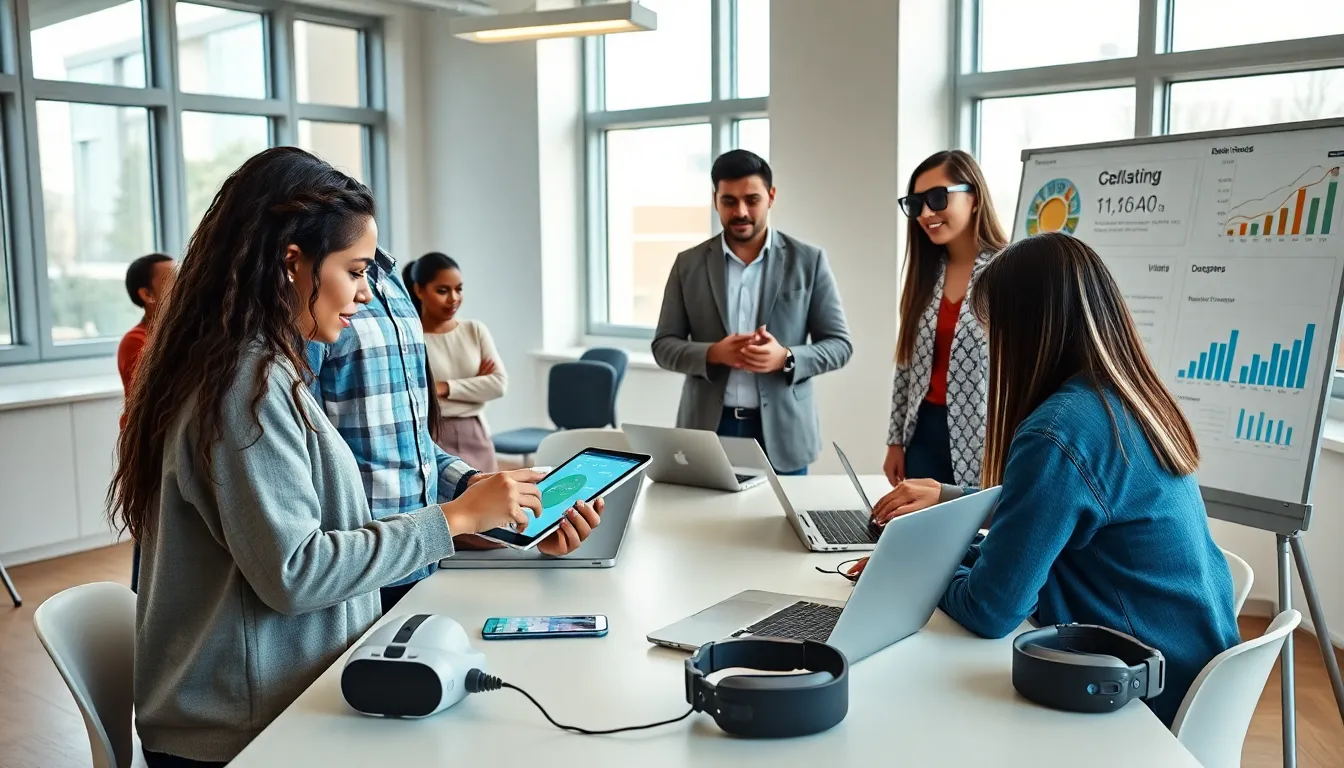
ToggleEducation today looks different than it did just a few years ago. Schools, universities, and training programs are adapting to new technologies, shifting workforce demands, and a growing focus on student needs. By 2026, several major trends will reshape how people learn, from AI-powered classrooms to flexible degree alternatives.
This article explores the education trends driving change in 2026. Whether you’re a student, educator, or lifelong learner, understanding these shifts can help you prepare for what’s next.
Key Takeaways
- Education today in 2026 will be shaped by AI-powered personalized learning that adapts to each student’s pace and identifies at-risk learners early.
- Hybrid and flexible education models are becoming standard, giving students more control over when, where, and how they learn.
- Skills-based hiring is rising, making bootcamps, certificates, and targeted training viable alternatives to traditional four-year degrees.
- Student mental health is now a priority, with schools integrating wellness programs, counseling, and supportive policies into education.
- Immersive technologies like VR and AR are transforming classrooms by making abstract concepts tangible and hands-on training more accessible.
- Education today emphasizes outcomes and accessibility, preparing learners for real-world success rather than rigid academic structures.
AI-Powered Personalized Learning
Artificial intelligence is transforming education today by making learning more personal. AI tools analyze student performance in real time. They identify strengths, weaknesses, and learning patterns. Then they adjust content to match each student’s pace and style.
In 2026, AI tutors will become common in classrooms and online platforms. These systems provide instant feedback, answer questions, and recommend resources based on individual progress. A student struggling with algebra gets extra practice problems. A student excelling moves ahead to more advanced concepts.
Teachers benefit too. AI handles repetitive tasks like grading and progress tracking. This frees educators to focus on mentoring, discussion, and creative instruction. The result? More efficient classrooms and better outcomes for students.
Schools are also using AI to identify at-risk students early. Predictive analytics flag learners who might fall behind, allowing teachers to intervene before problems escalate. Education today relies on data, and AI makes that data actionable.
The Rise of Hybrid and Flexible Education Models
The pandemic accelerated remote learning. Now, hybrid education is here to stay. By 2026, most schools and universities will offer flexible options that blend in-person and online instruction.
Hybrid models give students more control over when and where they learn. A college student might attend lectures online Monday and Wednesday, then join lab sessions on campus Friday. Working professionals can complete coursework around their schedules.
Flexibility extends beyond scheduling. Modular courses let learners pick specific topics rather than committing to full programs. Micro-credentials and stackable certificates allow people to build qualifications over time.
This shift reflects changing expectations. Students want education that fits their lives, not the other way around. Institutions that embrace flexible models will attract more learners and improve retention rates.
Education today prioritizes accessibility. Hybrid formats remove geographic barriers and reduce costs for many students.
Skills-Based Learning Over Traditional Degrees
Employers are rethinking what qualifications matter. In 2026, skills-based hiring will gain even more ground. Companies care less about where candidates went to school and more about what they can do.
This trend is reshaping education today. Bootcamps, certificate programs, and online courses now compete with traditional degrees. These alternatives teach practical skills in weeks or months instead of years. They cost less too.
Major employers like Google, IBM, and Apple have already dropped degree requirements for many roles. They use skills assessments and portfolios to evaluate candidates instead.
Universities are responding. Many now offer shorter programs focused on specific competencies. Some partner with employers to align curriculum with actual job needs.
For learners, this shift creates opportunity. Someone without a four-year degree can build a career through targeted training. Education today emphasizes outcomes, what you can do matters more than how long you studied.
Mental Health and Student Well-Being in Focus
Student mental health has become a priority. Rising anxiety, depression, and burnout rates have pushed schools to take action. By 2026, well-being support will be integrated into education at all levels.
Schools are hiring more counselors and expanding mental health services. Some are building wellness into the curriculum through mindfulness programs, stress management courses, and social-emotional learning.
Technology plays a role too. Apps and platforms help students track their mental health and access resources. AI chatbots provide 24/7 support for students who need someone to talk to outside office hours.
Education today recognizes that stressed, anxious students can’t learn effectively. Supporting mental health isn’t just compassionate, it improves academic outcomes.
Flexible deadlines, reduced high-stakes testing, and project-based assessments also reduce pressure. Schools are rethinking policies that contribute to student stress.
Immersive Technologies in the Classroom
Virtual reality and augmented reality are entering mainstream education. By 2026, immersive technologies will make learning more engaging and effective.
Imagine a biology class where students explore the human body from the inside. Or a history lesson where learners walk through ancient Rome. VR and AR make abstract concepts tangible.
These tools are especially valuable for hands-on training. Medical students practice surgeries in virtual environments. Engineering students test designs before building physical prototypes. The stakes are lower, and students can repeat exercises until they master skills.
Costs are dropping, making immersive tech more accessible. Many schools now use affordable VR headsets and smartphone-based AR apps.
Education today uses technology to deepen understanding, not just deliver content. Immersive experiences help students retain information longer and develop practical skills faster.