Table of Contents
ToggleFinding the right budgeting app can transform how people manage their money. Budgeting made easy isn’t just a catchy phrase, it’s what separates a helpful tool from one that collects digital dust. With dozens of options available, comparing alternatives becomes essential before committing to any single platform.
This guide breaks down what makes budgeting apps work well, explores popular options on the market, and helps readers decide which solution fits their financial habits. Whether someone prefers free tools or premium features, the right choice depends on individual needs and goals.
Key Takeaways
- Budgeting made easy depends on choosing an app with intuitive design, automatic categorization, and mobile accessibility.
- Free apps like Mint offer solid basic features, while paid options like YNAB provide advanced tools and educational content.
- Match your budgeting app to your financial goals—debt payoff, savings, or couples budgeting—for the best results.
- Always verify bank compatibility and take advantage of free trials before committing to any budgeting platform.
- Recent user reviews reveal current app performance, so check them before downloading to avoid outdated recommendations.
What Makes a Budgeting App User-Friendly
A budgeting app succeeds or fails based on how easy it is to use daily. The best apps make budgeting made easy a reality through intuitive design and smart features.
Simple Setup Process
Users want to start tracking expenses within minutes, not hours. Top apps connect to bank accounts automatically and categorize transactions without manual input. A lengthy onboarding process often leads to abandonment before users see any benefit.
Clear Visual Dashboards
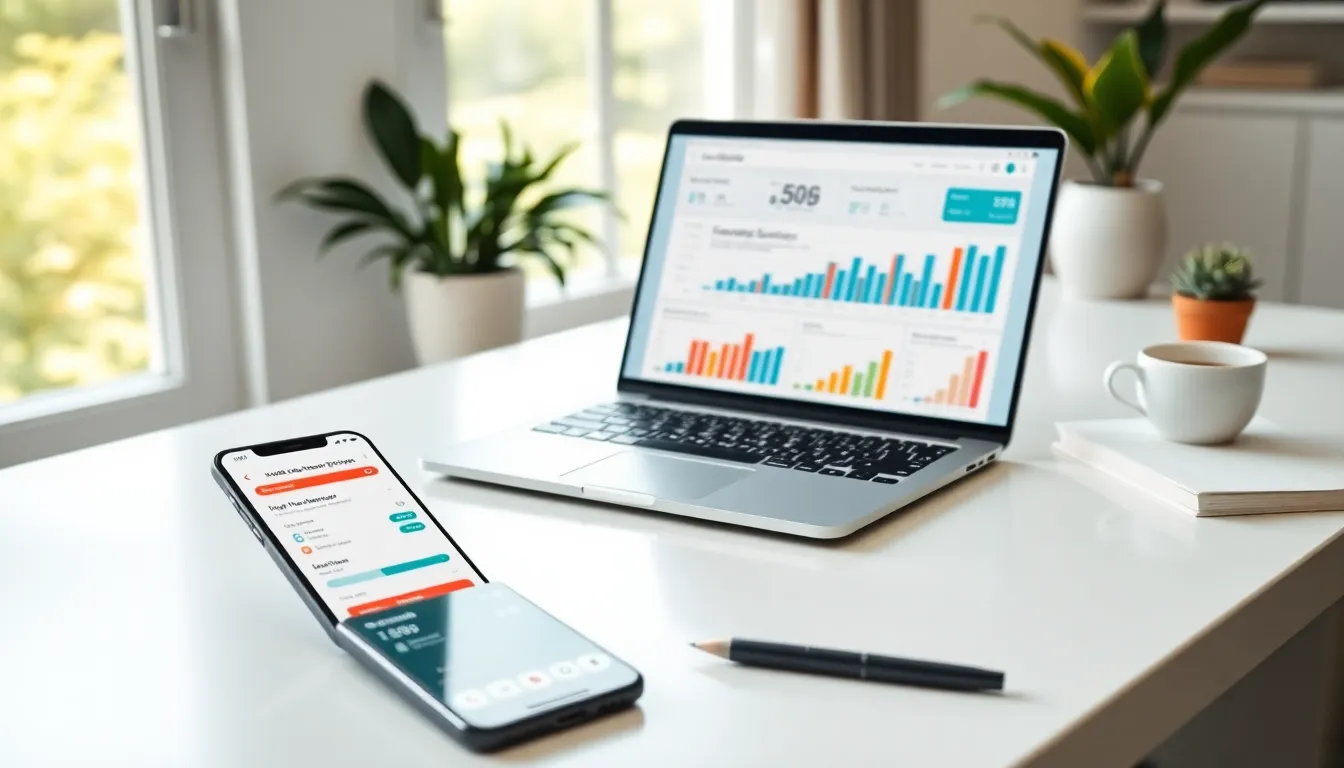
Effective budgeting tools display spending patterns through charts and graphs. Users should understand their financial picture at a glance. Cluttered interfaces confuse people and reduce engagement over time.
Automatic Categorization
Manual entry kills momentum. Strong budgeting apps learn spending habits and sort transactions into categories like groceries, entertainment, and bills. This automation keeps budgeting made easy for users who don’t want another chore.
Goal Tracking Features
Saving for a vacation or paying off debt requires visibility. User-friendly apps let people set specific targets and track progress with visual indicators. These features turn abstract goals into concrete milestones.
Mobile Accessibility
Most financial decisions happen away from a computer. A budgeting app needs a responsive mobile version that works smoothly on any device. Push notifications for unusual spending or approaching limits add extra value.
Popular Budgeting Tools Worth Considering
Several budgeting apps have earned strong reputations for making money management accessible. Each offers distinct approaches to budgeting made easy.
YNAB (You Need a Budget)
YNAB follows a zero-based budgeting philosophy where every dollar gets assigned a job. Users report significant behavior changes after adopting this method. The app costs $14.99 monthly but offers a 34-day free trial. YNAB works best for people willing to actively engage with their finances.
Mint
Mint provides free budget tracking with automatic bank syncing. It categorizes spending, tracks bills, and monitors credit scores. The trade-off involves advertisements and occasional sync issues. Mint suits users who want basic budgeting made easy without paying subscription fees.
PocketGuard
This app answers one question: “How much can I spend today?” PocketGuard calculates available funds after accounting for bills and savings goals. The simple approach appeals to users overwhelmed by detailed budget categories.
Goodbudget
Goodbudget uses the envelope method digitally. Users allocate money to virtual envelopes for different spending categories. The free version limits users to 20 envelopes, while the paid version ($8/month) removes restrictions. Couples appreciate the syncing feature for shared budgeting.
EveryDollar
Created by Dave Ramsey’s team, EveryDollar promotes his debt-elimination strategies. The free version requires manual entry, while the premium ($17.99/month) adds bank connections. Users following Ramsey’s baby steps find this integration helpful.
Free vs Paid Budgeting Solutions
The choice between free and paid budgeting tools involves trade-offs that affect daily use. Understanding these differences helps users make informed decisions.
What Free Apps Offer
Free budgeting apps typically provide basic transaction tracking, simple categorization, and limited goal-setting features. They generate revenue through advertisements or by selling anonymized data. Users comfortable with these trade-offs can achieve budgeting made easy without spending money.
Mint remains the most feature-rich free option. It handles most budgeting needs adequately for casual users. But, free apps sometimes lack customer support and may discontinue features without notice.
Premium Features Worth Paying For
Paid apps often include:
- Bank-level security and encryption
- Priority customer support
- Advanced reporting and analytics
- Debt payoff calculators
- Investment tracking integration
- Ad-free experiences
YNAB users frequently cite the educational content and methodology as justifying the cost. The app’s approach changes how people think about money, not just how they track it.
Finding the Right Balance
Some apps offer hybrid models. PocketGuard Plus costs $7.99 monthly and adds features like automatic savings and debt tracking. Users can start with the free version and upgrade when specific needs arise. This approach lets people test whether budgeting made easy requires premium features for their situation.
How to Choose the Right Budgeting App for You
Selecting a budgeting app depends on personal habits, financial goals, and comfort with technology. These factors help narrow down options effectively.
Assess Current Financial Habits
Someone who checks their bank account daily has different needs than someone who reviews finances monthly. Active users benefit from detailed apps like YNAB. Passive users might prefer set-it-and-forget-it tools like Mint that work in the background.
Define Primary Goals
Different apps excel at different objectives:
- Debt payoff: YNAB or EveryDollar
- General awareness: Mint or PocketGuard
- Couples budgeting: Goodbudget or Honeydue
- Saving specific amounts: Qapital or Digit
Clarity about goals makes budgeting made easy because the right tool aligns with intentions.
Consider Bank Compatibility
Not every app connects to every financial institution. Credit unions and smaller banks sometimes lack integration with popular budgeting tools. Users should verify compatibility before committing to any platform.
Test Before Committing
Most paid apps offer free trials lasting 14 to 34 days. Taking advantage of these trials reveals whether an app’s interface and features match expectations. Users should track their actual spending during trials rather than testing with hypothetical numbers.
Read Recent Reviews
App quality changes over time. A budgeting tool praised two years ago might have degraded after updates or ownership changes. Recent user reviews on app stores provide current insights about performance and reliability.