Table of Contents
ToggleThe best education today looks nothing like it did a decade ago. Students learn through AI-powered platforms, develop emotional intelligence alongside academic skills, and earn credentials based on what they can do, not just what they memorized. These shifts reflect a fundamental rethinking of how learning works.
Modern education prioritizes flexibility, accessibility, and real-world application. Schools and universities worldwide are adopting new models that meet learners where they are. This article explores the key trends defining the best education today and why they matter for students, parents, and educators alike.
Key Takeaways
- The best education today emphasizes personalized learning, using adaptive platforms and data-driven insights to meet individual student needs.
- Technology like AI tutors, online courses, and virtual reality expands access to quality education beyond geographic and economic boundaries.
- Skills-based learning and micro-credentials are replacing traditional degrees as employers prioritize demonstrated abilities over diplomas.
- Social-emotional learning (SEL) is now essential, with research showing it boosts academic achievement and prepares students for workplace success.
- Accessible and inclusive education models, including Universal Design for Learning and open resources, are closing opportunity gaps for underserved learners.
- The best education today balances digital tools with human connection, developing both practical skills and emotional intelligence.
The Rise of Personalized Learning
Personalized learning has become a cornerstone of the best education today. Instead of one-size-fits-all instruction, schools now adapt content, pace, and teaching methods to individual student needs.
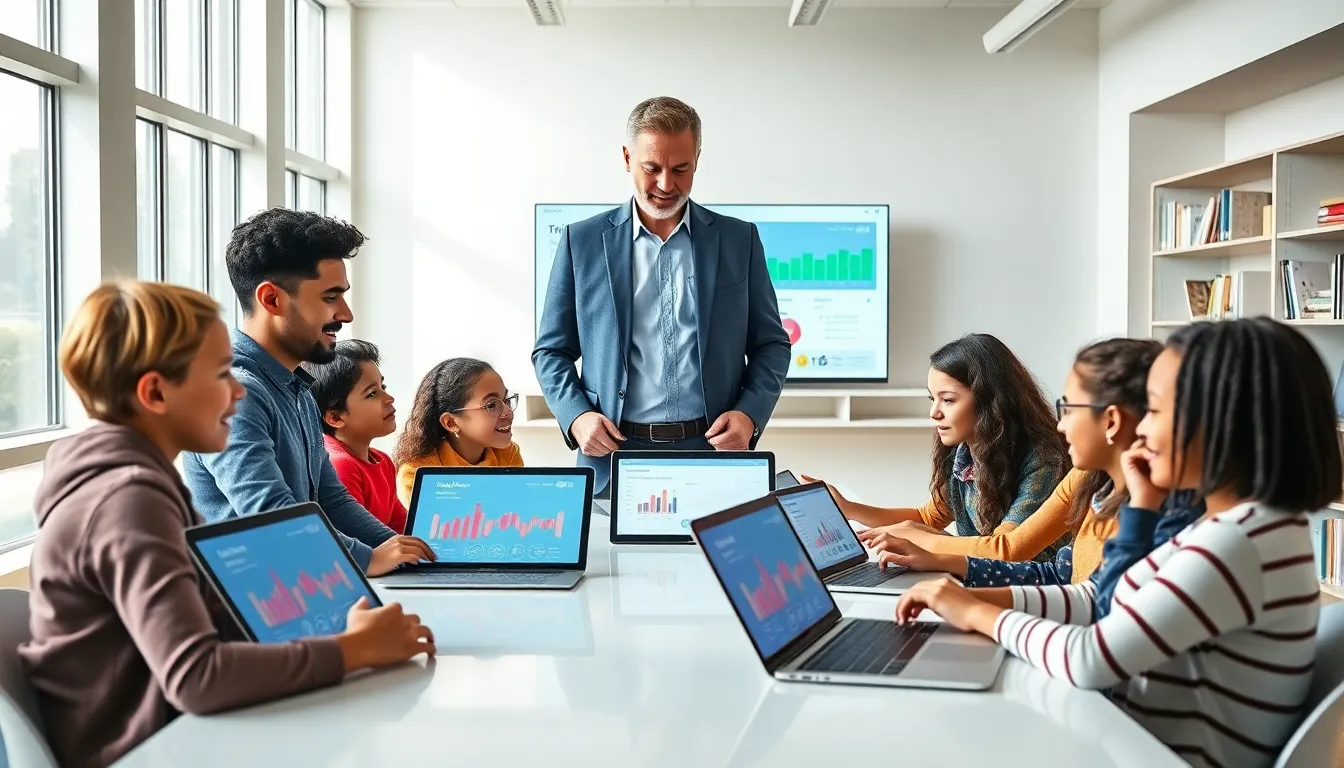
Adaptive learning platforms analyze student performance in real time. These systems identify knowledge gaps and adjust lessons accordingly. A student struggling with fractions receives additional practice problems, while a peer who has mastered the concept moves forward. This approach respects that every learner progresses differently.
Teachers play a critical role in personalized learning environments. They use data from digital tools to guide small-group instruction and one-on-one support. The teacher’s job shifts from lecturing to coaching, a change that many educators find more rewarding.
Research supports this trend. A 2023 RAND Corporation study found that students in personalized learning programs showed greater gains in math and reading compared to peers in traditional classrooms. The best education today recognizes that customization drives better outcomes.
Technology’s Role in Modern Education
Technology has transformed how students access the best education today. From virtual classrooms to AI tutors, digital tools have expanded learning beyond physical boundaries.
Online learning platforms like Coursera, Khan Academy, and edX offer courses from top universities. Students in rural areas can access the same content as those in major cities. This democratization of knowledge represents one of technology’s greatest contributions to education.
Artificial intelligence is reshaping tutoring and assessment. AI-powered tools provide instant feedback on essays, solve complex problems step-by-step, and answer student questions at any hour. These systems don’t replace teachers, they extend their reach.
Virtual and augmented reality create immersive learning experiences. Medical students practice surgeries in VR environments. History classes visit ancient Rome through AR applications. These technologies make abstract concepts concrete and memorable.
But, technology alone doesn’t guarantee quality. The best education today uses digital tools strategically, not as substitutes for human connection. Effective programs balance screen time with collaborative projects and face-to-face interaction.
Skills-Based Learning Over Traditional Credentials
Employers increasingly value skills over degrees. This shift is reshaping the best education today toward competency-based models.
Skills-based learning focuses on what students can actually do. Rather than measuring seat time or course completion, these programs assess demonstrated abilities. A coding bootcamp graduate who builds working applications may impress employers more than a computer science major with no portfolio.
Micro-credentials and digital badges have gained traction. Companies like Google, IBM, and Amazon now offer certificate programs that prepare workers for specific roles. These credentials take months, not years, to earn and cost a fraction of traditional degrees.
Universities are adapting. Many now offer competency-based degree programs where students advance by proving mastery rather than accumulating credit hours. Western Governors University pioneered this approach and has served over 300,000 students.
The best education today prepares learners for the job market as it actually exists. That means emphasizing practical skills, portfolio-building, and continuous learning over static credentials that may become outdated.
The Importance of Social-Emotional Development
Academic achievement tells only part of the story. The best education today prioritizes social-emotional learning (SEL) alongside traditional subjects.
SEL teaches students to manage emotions, set goals, show empathy, maintain relationships, and make responsible decisions. These skills predict success in school, work, and life. A 2023 meta-analysis found that students in SEL programs showed an 11-percentile gain in academic achievement compared to non-participants.
Schools carry out SEL through dedicated curricula, morning meetings, and restorative justice practices. Teachers model emotional regulation and create classroom cultures where students feel safe to take risks and make mistakes.
Mental health support has become essential. The pandemic highlighted widespread student anxiety and depression. Schools now employ more counselors and integrate mental wellness into daily routines. The best education today treats emotional health as foundational, not supplementary.
Employers value these skills too. Communication, teamwork, and adaptability consistently rank among the most sought-after qualities in new hires. Education that develops the whole person prepares students for both professional success and personal fulfillment.
Accessible and Inclusive Education Models
The best education today reaches learners who were historically underserved. Accessibility and inclusion have moved from afterthoughts to central priorities.
Universal Design for Learning (UDL) guides modern curriculum development. UDL provides multiple means of engagement, representation, and expression. A lesson might offer text, video, and audio versions of the same content. Assessments allow students to demonstrate knowledge through writing, speaking, or creating.
Online education removes geographic and scheduling barriers. Working adults can earn degrees while maintaining jobs. Parents access coursework after children go to bed. Students with disabilities use assistive technologies that make digital content accessible.
Language access has improved. Many platforms now offer courses in multiple languages or provide real-time translation. This opens quality education to non-English speakers worldwide.
Financial barriers remain significant but are being addressed. Open Educational Resources (OER) provide free textbooks and materials. Income-share agreements let students defer tuition until after landing jobs. Scholarships and grants target first-generation college students.
The best education today operates on the principle that talent exists everywhere, even if opportunity doesn’t. Closing access gaps benefits individuals and society alike.